Phlebotomy Technician Training: How to Start a Career in Healthcare the Right Way
Choosing a healthcare career does not always require years of medical school or a long academic commitment. For many students, becoming a Phlebotomy Technician offers a fast, practical, and respected pathway into patient care. Phlebotomy technicians play a critical role in healthcare settings by collecting blood specimens safely, accurately, and compassionately—often serving as one of the first points of contact a patient has during a medical visit.
At Mission Career College (MCC), our goal is to help students understand not only what a phlebotomy career involves, but also how to choose the right Phlebotomy Technician training program to ensure long-term success. With increasing interest in Phlebotomy Technician classes online and Phlebotomy Technician programs online, it is more important than ever to understand what quality training looks like, what employers expect, and how hands-on education fits into a regulated healthcare profession.
This guide is designed to answer those questions clearly and responsibly, helping prospective students make an informed decision about their future.
What Does a Phlebotomy Technician Do?
A Phlebotomy Technician is a trained healthcare professional responsible for drawing blood from patients for laboratory testing, transfusions, donations, or research. While the task may sound simple, it requires technical precision, knowledge of anatomy, strict adherence to safety protocols, and strong interpersonal skills.
Phlebotomy technicians work in hospitals, medical clinics, diagnostic laboratories, outpatient centers, blood banks, and mobile healthcare units. On a typical day, a technician may verify patient information, explain procedures, prepare equipment, collect blood specimens, label and process samples, and maintain infection control standards. Because blood collection is invasive, accuracy and professionalism are essential at every step.
Employers consistently look for technicians who are not only technically trained but also confident, calm under pressure, and capable of working with diverse patient populations, including children, elderly patients, and individuals with medical anxiety.
Why Phlebotomy Is a Strong Entry Point into Healthcare
Phlebotomy is often chosen by students who want to enter healthcare quickly while gaining real clinical experience. Unlike longer degree programs, phlebotomy training can typically be completed in months rather than years, making it appealing for career changers, recent high school graduates, and individuals seeking workforce reentry.
Many students use phlebotomy as a stepping stone into other healthcare roles, such as nursing, medical assisting, laboratory science, or allied health specialties. The patient interaction, clinical exposure, and familiarity with medical environments gained during phlebotomy work are highly transferable across healthcare careers.
In addition, phlebotomy positions are consistently needed across healthcare systems. Diagnostic testing is a foundational part of modern medicine, and trained phlebotomy technicians remain essential regardless of healthcare setting or specialty.
Understanding Phlebotomy Technician Training Programs
Not all phlebotomy programs are created equal. A legitimate Phlebotomy Technician training program must balance theory, safety education, and supervised hands-on practice. Because phlebotomy directly affects patient safety, quality training is not optional—it is required.
A comprehensive program typically includes instruction in human anatomy and physiology related to the circulatory system, venipuncture and capillary collection techniques, infection control and OSHA standards, specimen handling, patient identification, and legal and ethical responsibilities. Classroom instruction must be reinforced through hands-on lab practice and, in many cases, supervised clinical experience.
At Mission Career College, phlebotomy education is structured to prepare students for real-world healthcare environments, not just exams. Training emphasizes both technical proficiency and patient-centered care, reflecting what employers expect from entry-level professionals.
Are Phlebotomy Technician Classes Online an Option?
Many prospective students search for Phlebotomy Technician classes online because they want flexibility. While online education has expanded significantly, it is important to understand how it applies to hands-on healthcare roles.
Phlebotomy cannot be learned entirely online. Blood collection is a physical skill that requires supervised practice using professional equipment and live patients or clinical simulations. However, some portions of phlebotomy education—such as medical terminology, safety standards, and theoretical instruction—can be delivered online when paired with in-person labs and clinical requirements.
When evaluating Phlebotomy Technician programs online, students should verify that any online coursework is part of a hybrid model that includes required hands-on training. Programs that claim to offer 100% online phlebotomy certification without clinical components should be approached with caution, as they may not meet employer or regulatory expectations.
Mission Career College integrates structured learning with hands-on instruction to ensure students meet industry standards while still benefiting from flexible scheduling options when appropriate.
What to Look for in Phlebotomy Technician Programs Online
Students considering Phlebotomy Technician programs online should focus on outcomes, not marketing language. A quality program should clearly explain how clinical skills are taught, where hands-on training occurs, and how students are prepared for employment.
Transparency matters. Programs should outline curriculum hours, lab requirements, clinical experience expectations, and completion timelines. They should also be upfront about licensure or certification requirements specific to the state in which students plan to work.
Equally important is institutional credibility. Reputable training programs are offered by established vocational schools or colleges with a track record in healthcare education, experienced instructors, and clear student support systems.
Mission Career College prioritizes compliance, accountability, and student readiness, ensuring that training aligns with workforce expectations and regulatory standards.
The Importance of Hands-On Experience in Phlebotomy Training
Phlebotomy is a YMYL (Your Money or Your Life) healthcare topic because errors can directly impact patient safety. For that reason, hands-on training is not simply a program feature—it is a necessity.
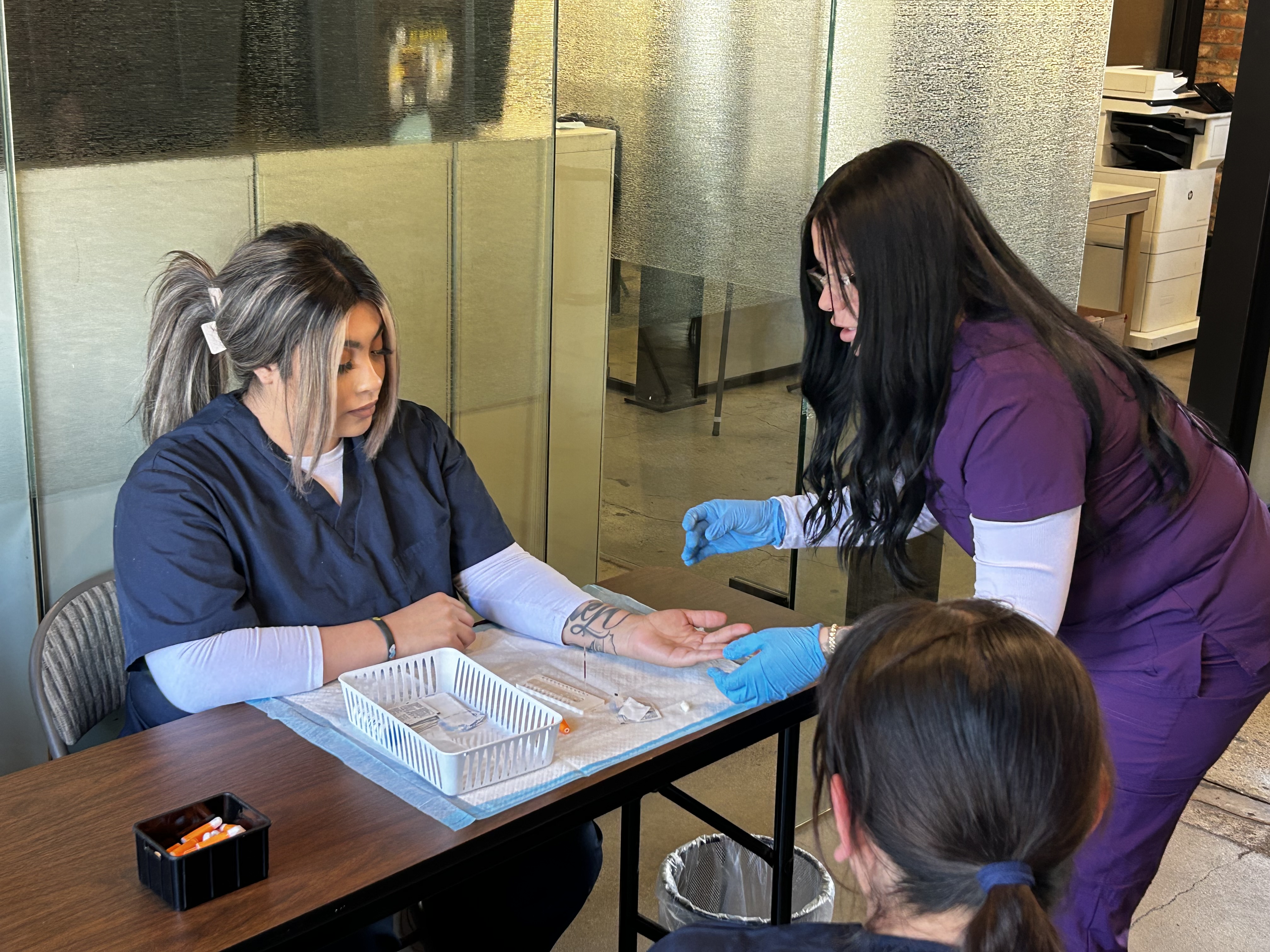
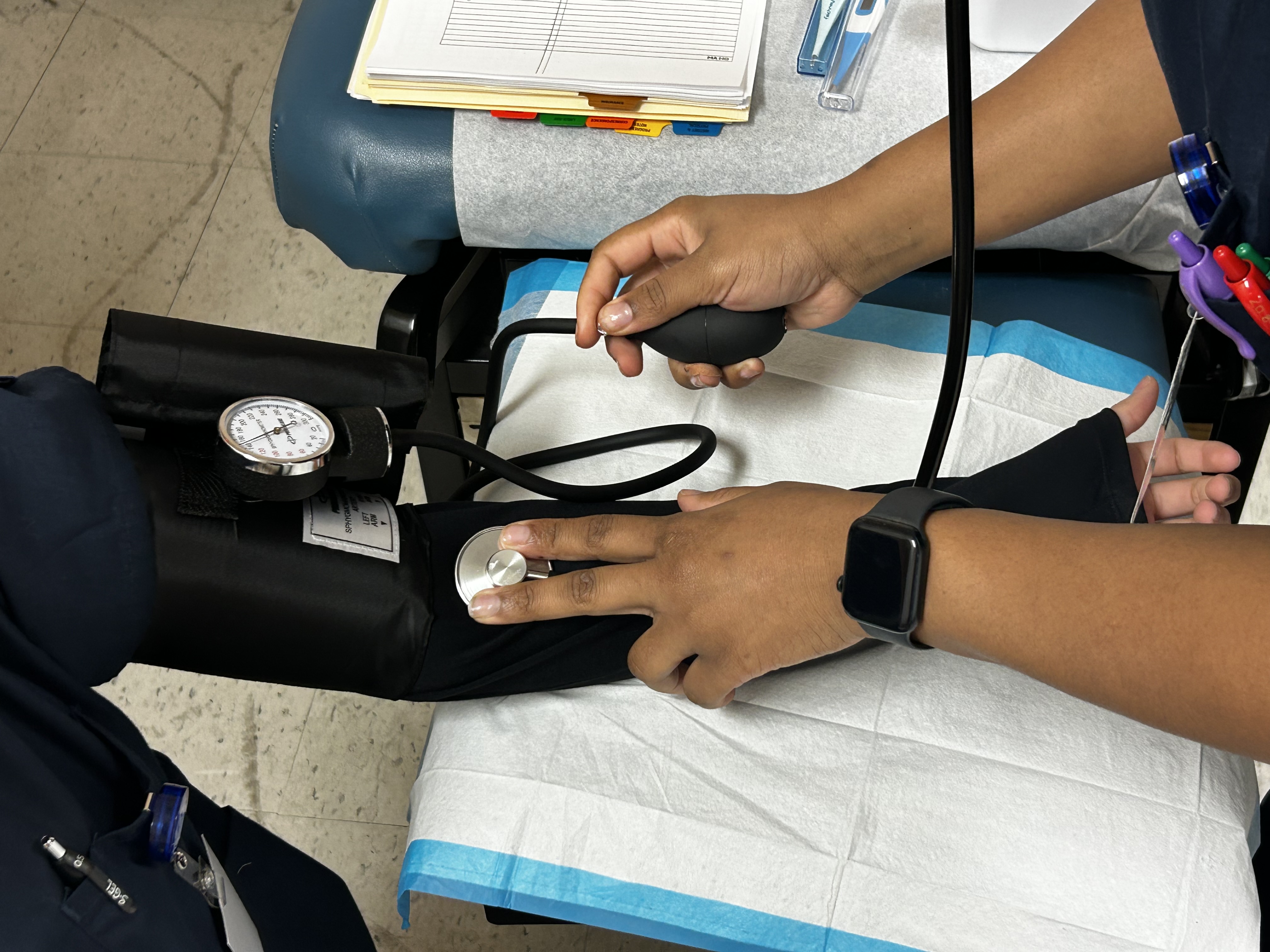
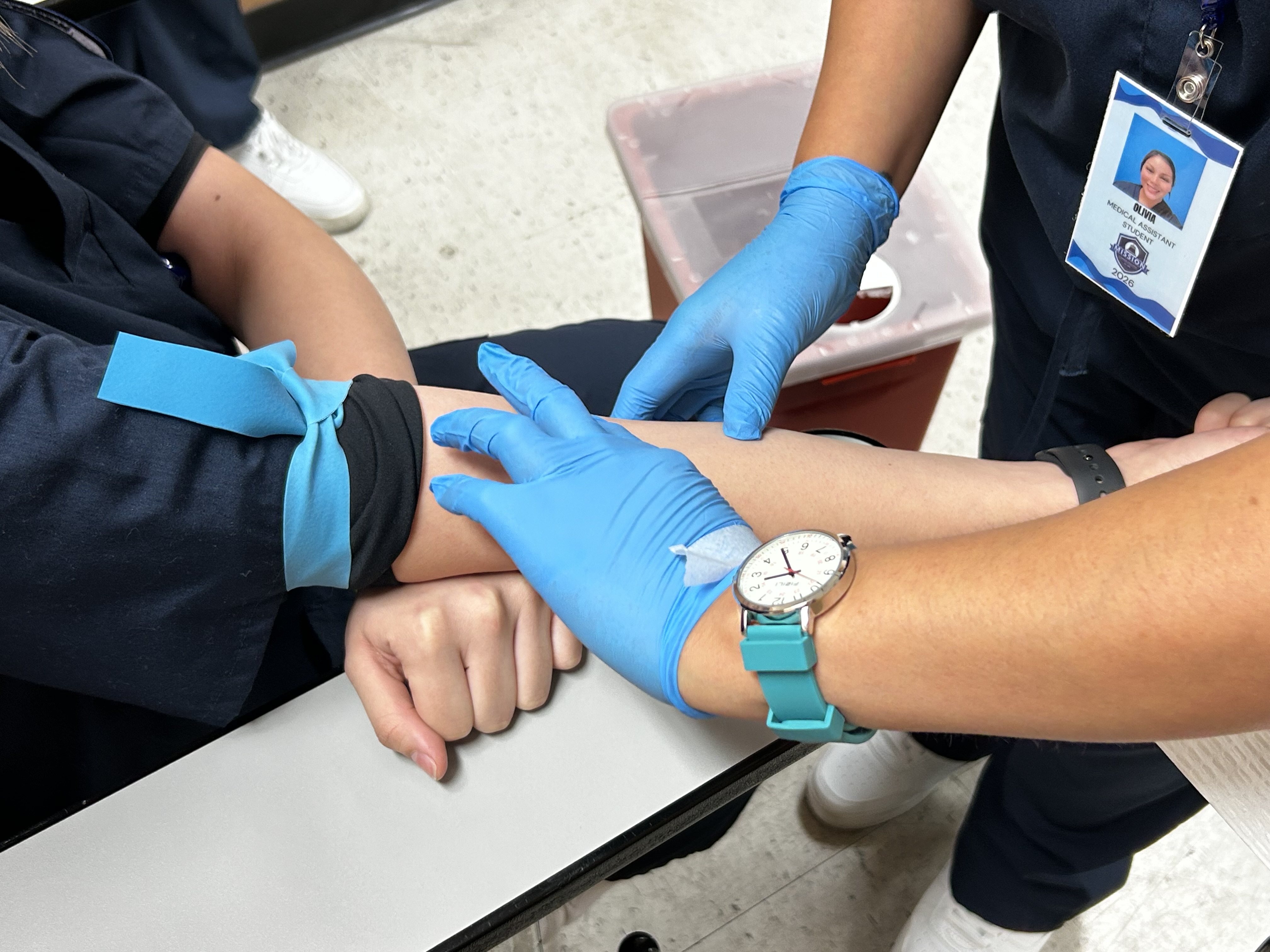
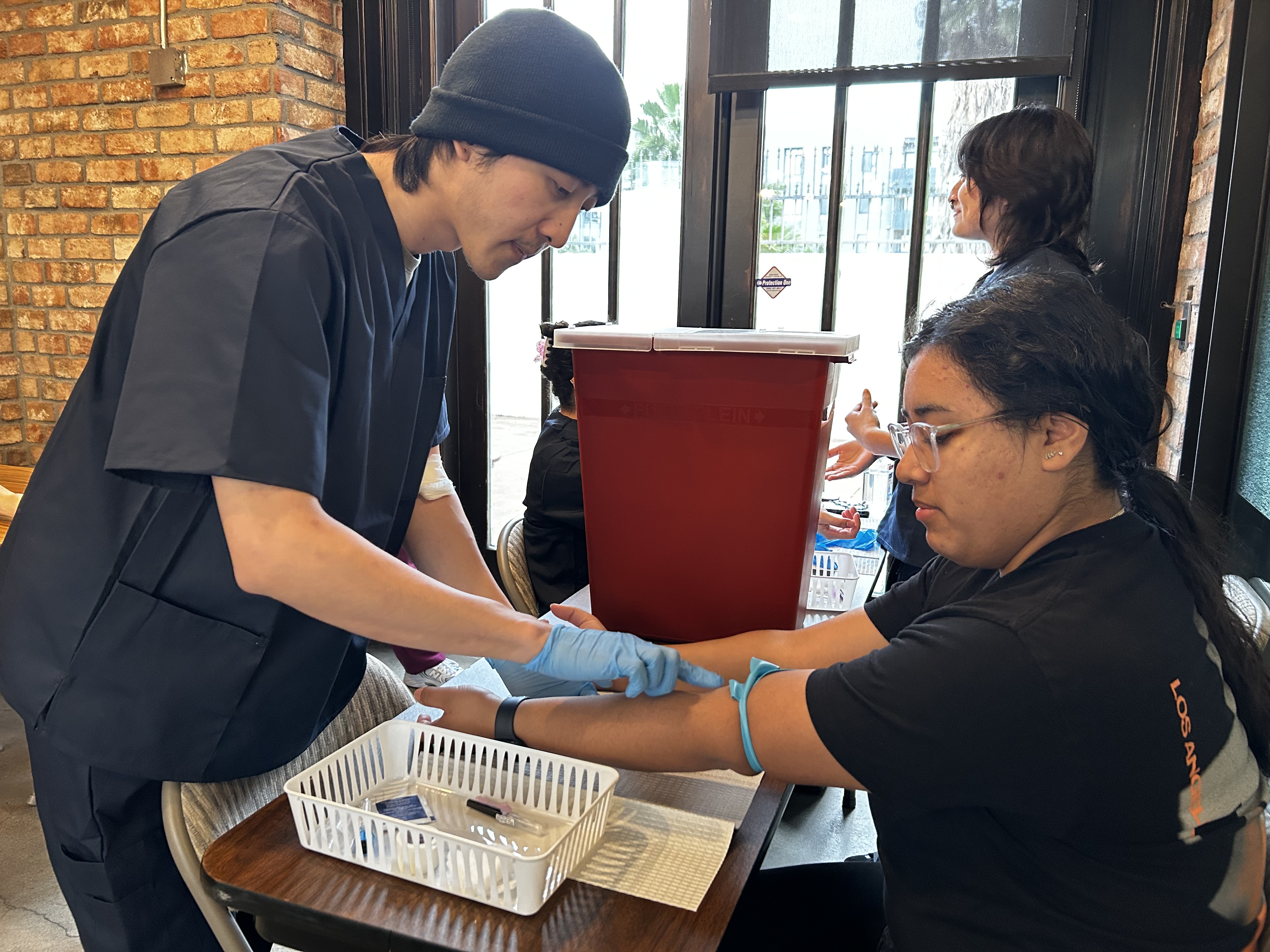
Students must practice venipuncture techniques, equipment handling, specimen labeling, and patient interaction under supervision before entering the workforce. Confidence is built through repetition, feedback, and real-world scenarios, not through theory alone.
At MCC, instructors emphasize proper technique, safety compliance, and professionalism from the start. Students graduate having practiced in controlled lab environments that simulate real clinical settings, preparing them for employment with confidence and competence.
Career Outcomes for Phlebotomy Technicians
Graduates of phlebotomy programs often find opportunities in hospitals, laboratories, outpatient clinics, urgent care centers, and blood donation organizations. Work environments vary, but demand for trained phlebotomy technicians remains steady due to ongoing diagnostic needs.
Entry-level positions provide valuable experience and exposure to healthcare systems, allowing technicians to grow professionally or pursue additional certifications over time. Many employers value reliability, accuracy, and strong patient communication skills as much as technical ability.
For students seeking a practical, patient-focused healthcare role with clear entry requirements, phlebotomy offers a compelling balance of accessibility and professional responsibility.
Why Mission Career College for Phlebotomy Technician Training
Mission Career College is committed to providing career-focused education that aligns with real employer needs. Our phlebotomy program is designed to prepare students not just to complete training, but to succeed in healthcare environments where safety, accuracy, and professionalism matter.
Students benefit from experienced instructors, structured curriculum, hands-on practice, and student support services that help them navigate enrollment, training, and career readiness. MCC’s focus is on practical outcomes—helping students gain the skills, confidence, and foundational experience needed to enter the workforce responsibly.
By emphasizing quality education, ethical standards, and transparency, MCC supports students in making informed decisions about their healthcare careers.
Is a Phlebotomy Career Right for You?
Becoming a Phlebotomy Technician requires attention to detail, comfort with medical procedures, and a commitment to patient care. It is well-suited for individuals who enjoy hands-on work, interacting with patients, and contributing directly to medical diagnostics.
For those seeking a fast-track entry into healthcare with opportunities for growth, phlebotomy can be an excellent starting point. Choosing the right training program is the first step toward building a career that is both meaningful and sustainable.
Mission Career College encourages prospective students to ask questions, research programs carefully, and select training that prioritizes education quality and real-world readiness.