CNA vs. HHA in California — and why many students choose the CNA + HHA pathway
Understand the difference between CNA and HHA—and why many students choose both.
.jpeg)
CNA vs. HHA in California: What’s the difference—and why many students choose both
If you want a fast entry into hands-on patient care, Certified Nursing Assistant (CNA) and Home Health Aide (HHA) are two of the most common starting points. They overlap in “helping with daily living,” but they differ in where you work, what the day-to-day looks like, and what kind of flexibility you’ll have after training.
CNA = primarily facility-based care as part of a clinical team.
HHA = home-based, one-on-one support (often with more household tasks mixed in).
CNA + HHA = broader eligibility across facility + home settings without having to “come back later.”
CNA vs HHA at a glance
Where you work
CNA: nursing facilities, hospitals, assisted living, and other clinical settings.
HHA: client homes, group homes, and community-based settings.
Typical work style
CNA: team-based, faster pace, higher patient ratios depending on facility.
HHA: usually one client at a time, relationship-based, different pace than facilities.
Common tasks
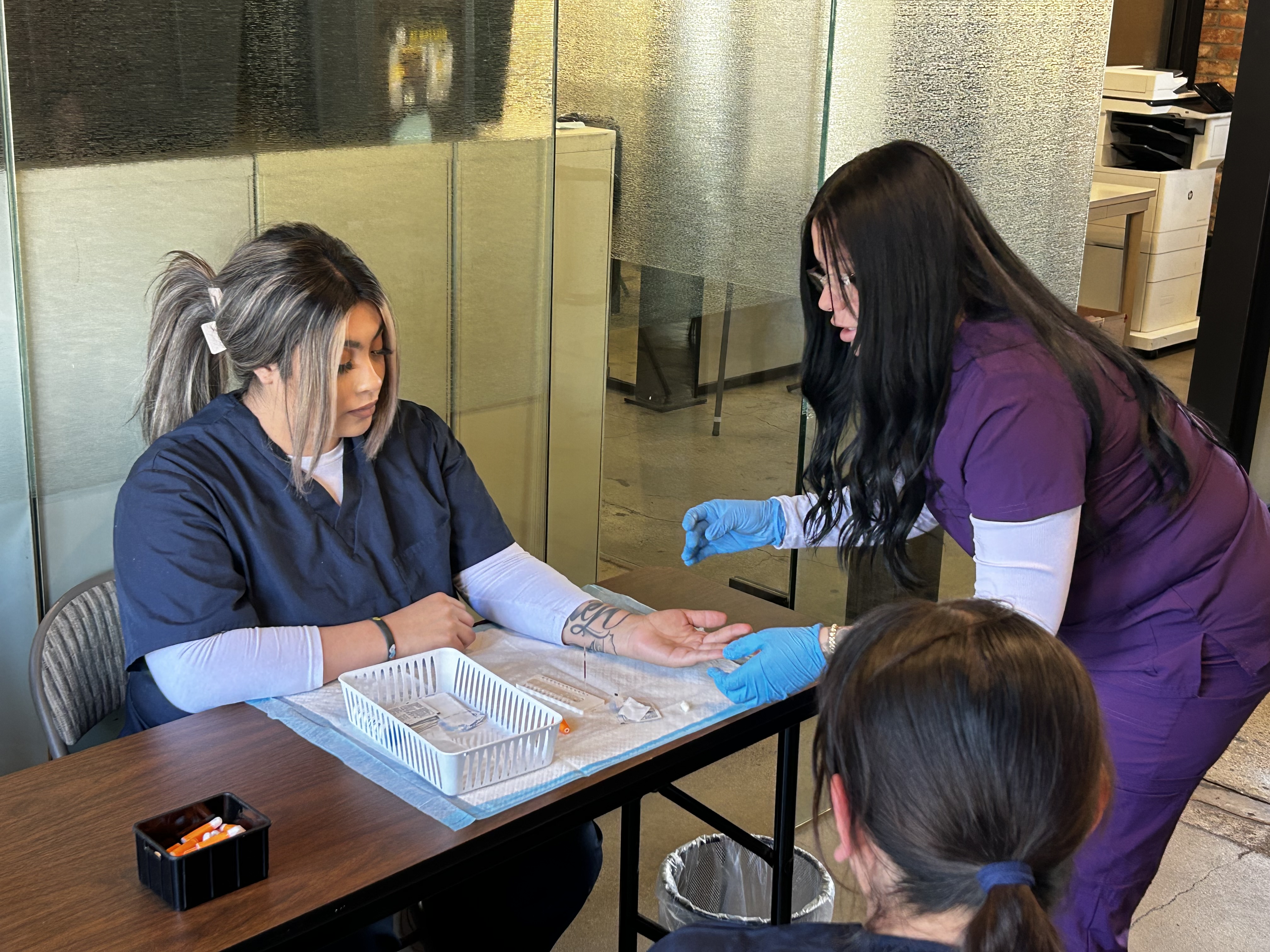
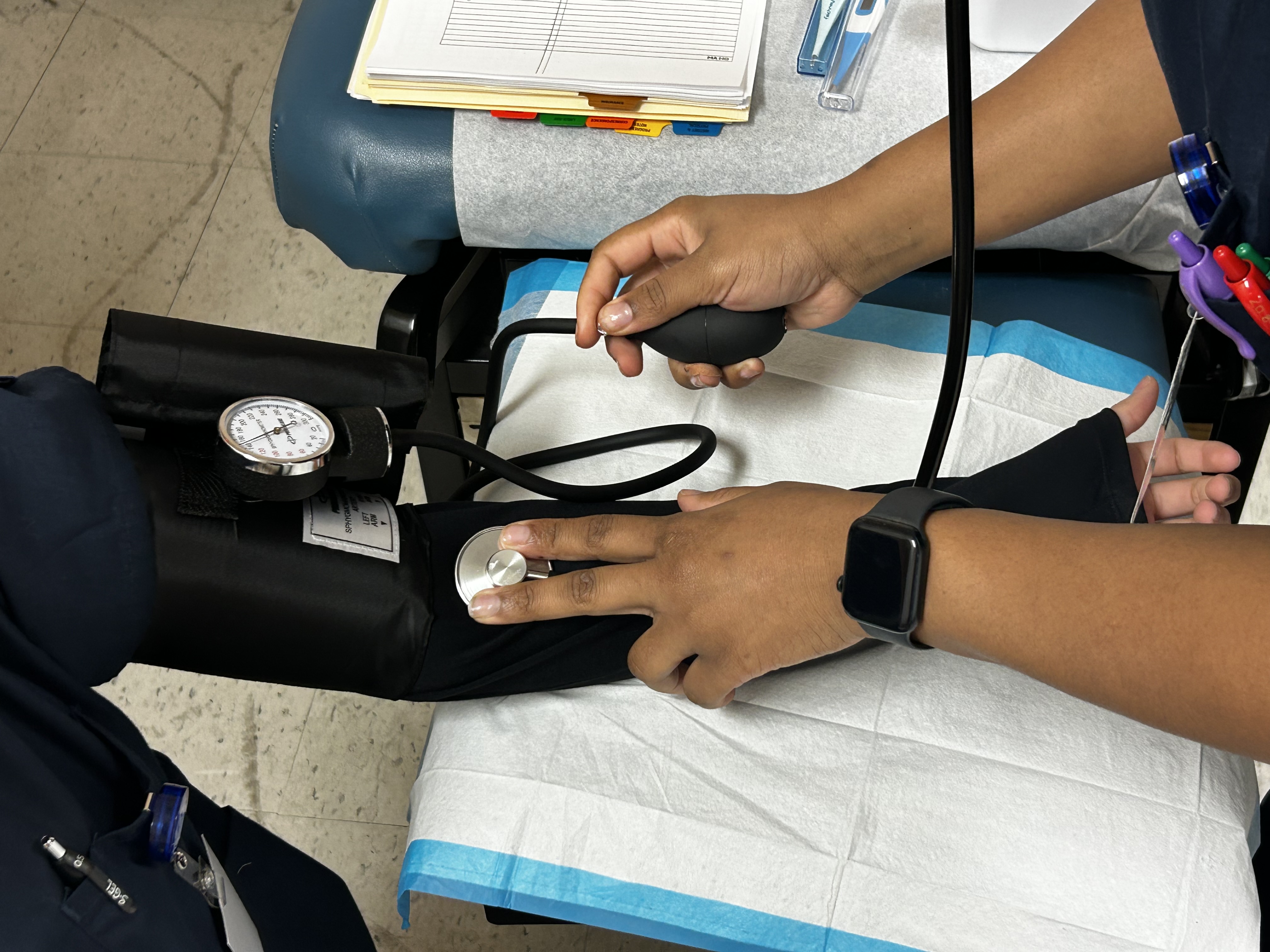
CNA: hands-on personal care and basic clinical support (vitals, repositioning, hygiene, feeding, documentation) under nursing supervision.
HHA: hands-on personal care plus home-safety routines, meal support, companionship, and often light housekeeping/errands depending on the role and employer.
Training path
CNA: longer foundational training leading to CNA certification.
HHA: shorter add-on training focused on home-care skills.
What a CNA role is best for
Choose CNA if you want:
A clinical environment and structured workflow.
Experience working alongside nurses and learning bedside routines.
A strong foundation that can stack into additional healthcare training later.
What an HHA role is best for
Choose HHA if you want:
Home-based care and more one-on-one support with a client.
A care environment that often feels calmer than a facility (different, not “easier”).
Work that blends care tasks with daily living support in a home setting.
Important reality check (this improves conversion because it prevents surprises):
Home health roles can include travel between clients, working independently, and sometimes being asked to help with household tasks. The people who thrive in HHA usually like relationship-based care and don’t mind that the home environment is less “clinical” than a facility.
Why many students choose both (CNA + HHA)
Most students don’t want “either/or.” They want options.
Adding HHA on top of CNA is a strategic move when your goal is employability flexibility:
You can pursue facility roles and home-health roles instead of being limited to one setting.
You can match jobs to your preferred work style (team-based facility vs one-on-one home care).
You can keep momentum: students who plan to “come back later” often don’t, because life and work start moving fast after CNA.
If you already know you’re open to home care, adding HHA early is usually the most cost- and time-efficient way to expand your options.
How MCC’s CNA + HHA pathway works (why it’s efficient)
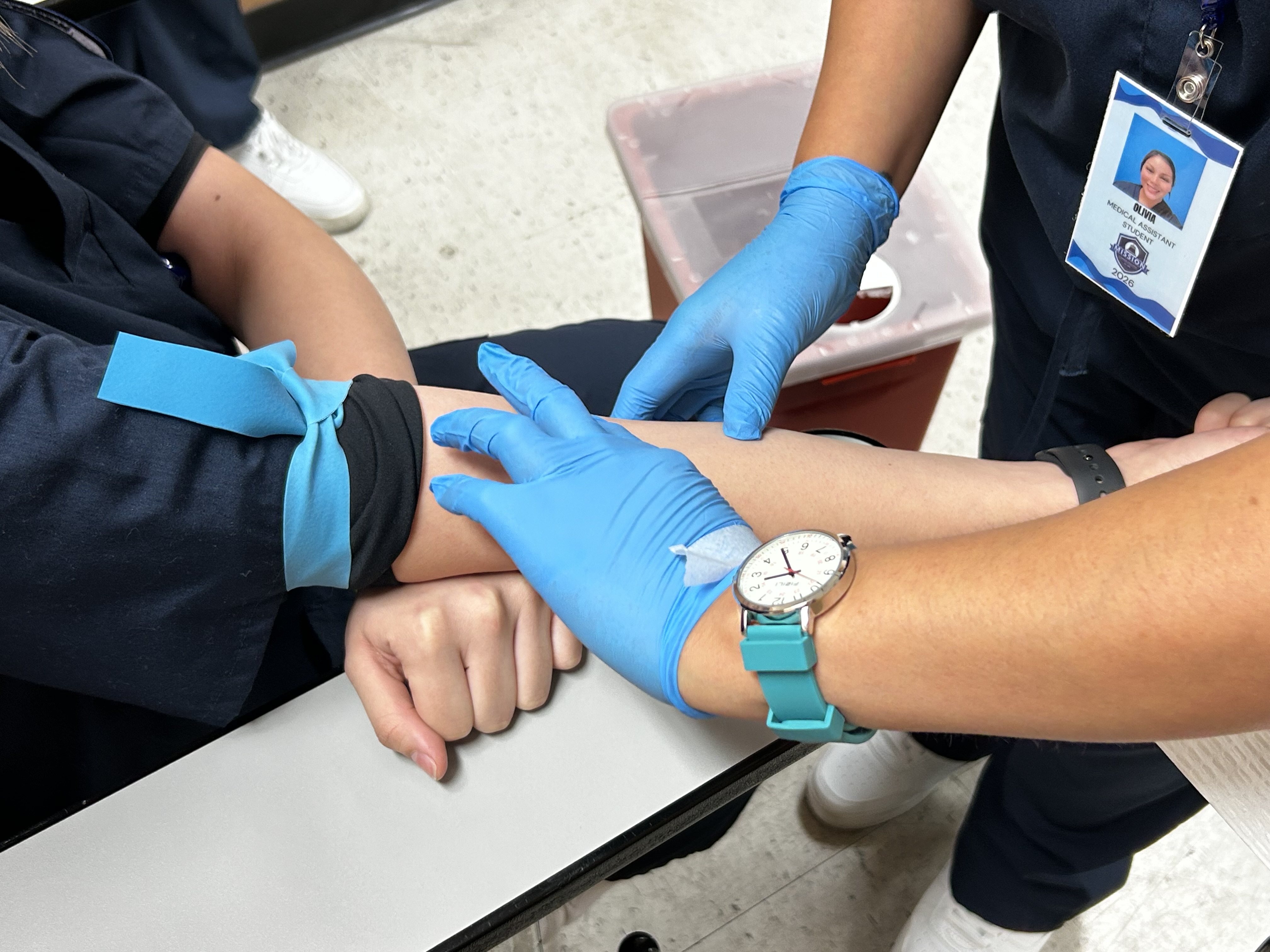
At Mission Career College, HHA is strategically integrated into the CNA pathway as a consecutive module.
What that means in plain terms:
You can add CNA + HHA while you are already actively enrolled in CNA. You do not need to already hold an active CNA at the time you add the CNA + HHA pathway.
CNA is the core foundation. HHA builds directly on those same CNA skills—then extends them into home-based care topics (home safety, in-home ADLs, meal support, communication in a home setting, and the differences between facility vs in-home care).
Because it’s consecutive and integrated, you avoid the biggest friction point: finishing CNA, leaving, then trying to restart the process later.
The HHA component is a 40-hour add-on (20 classroom + 20 clinical) designed to layer onto nurse assistant training rather than restart it.
Who should strongly consider adding HHA during CNA (most common best-fit)
Add HHA now if you are saying any of these:
“I’m open to home health or hospice.”
“I want more job options and flexibility after CNA.”
“I prefer one-on-one care over high patient ratios.”
“I want to finish everything in one momentum window instead of coming back later.”
Bottom line
If you want the widest set of entry-level healthcare options with the least extra time, CNA + HHA is the cleanest, most efficient pairing: CNA builds the foundation; HHA expands the setting where you can work.