Nurse Assistant Classes: Your Fast, Trusted Path Into Healthcare
If you’re exploring a healthcare career that’s respected, in-demand, and built around real human impact, Nurse Assistant classes are often the most direct on-ramp. A Nurse Assistant supports patients with essential daily care, helps clinical teams run smoothly, and builds the hands-on foundation that can lead to long-term growth in healthcare. At Mission Career College (MCC), the goal of training is simple: get you competent, confident, and employable—without wasting time on fluff.
Because this topic affects health, safety, and career outcomes, it’s important to use a quality-first approach that prioritizes accuracy, clarity, and trust (E-E-A-T). That’s the same standard emphasized in the Search Quality Evaluator Guidelines for YMYL topics.
searchqualityevaluatorguidelines
This guide walks you through what Nurse Assistants do, who this path fits, what to look for in a Nurse Assistant training program, and how Nurse Assistant classes online and in-person options can fit into real life—especially if you’re balancing work, family, or transportation.
What a Nurse Assistant Actually Does
A Nurse Assistant is part of the direct-care team. Depending on the setting, you may support patients in long-term care, assisted living, rehabilitation facilities, hospitals, and other healthcare environments. Your day-to-day responsibilities typically revolve around patient comfort, basic clinical support, and communication.
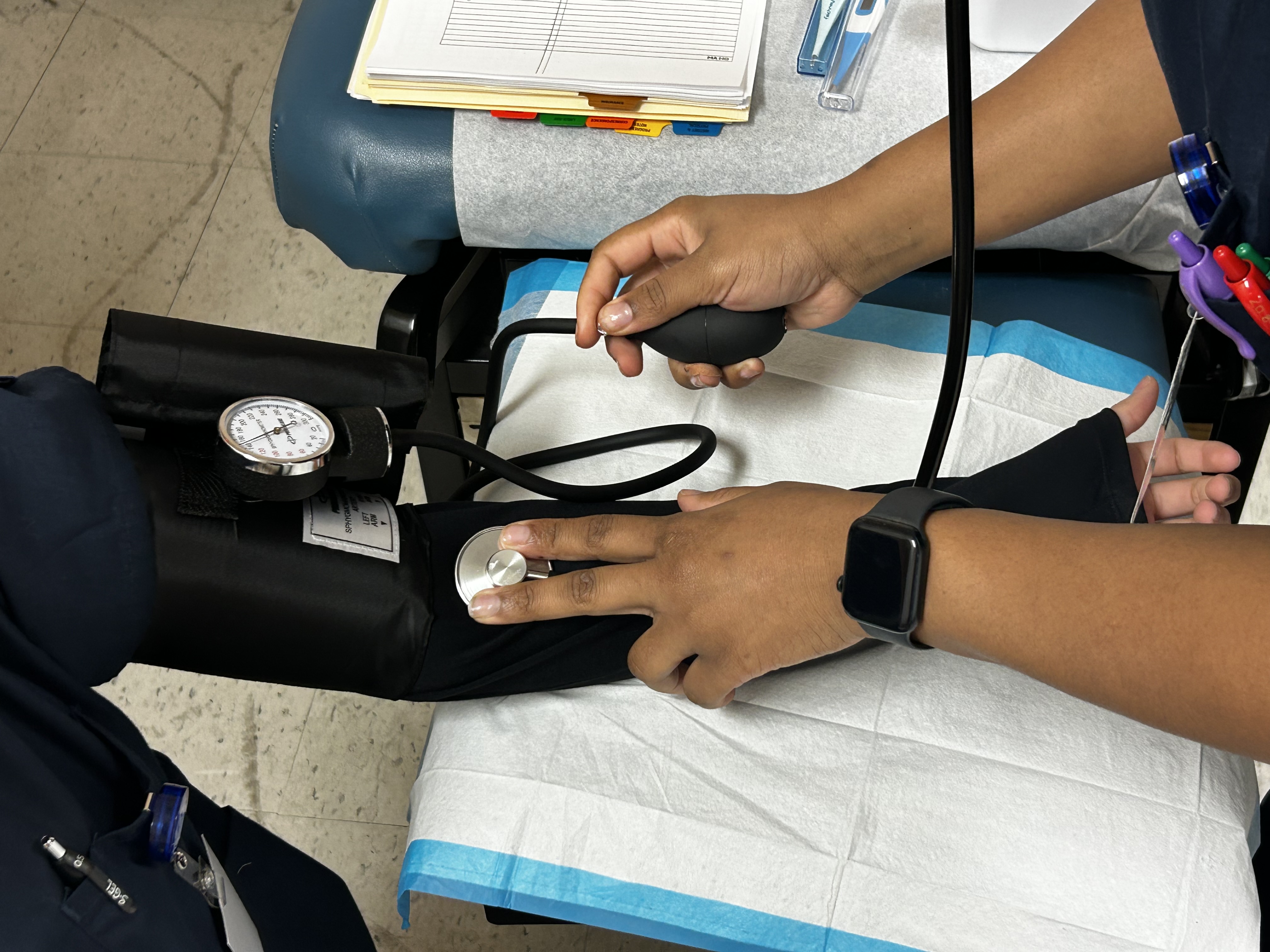
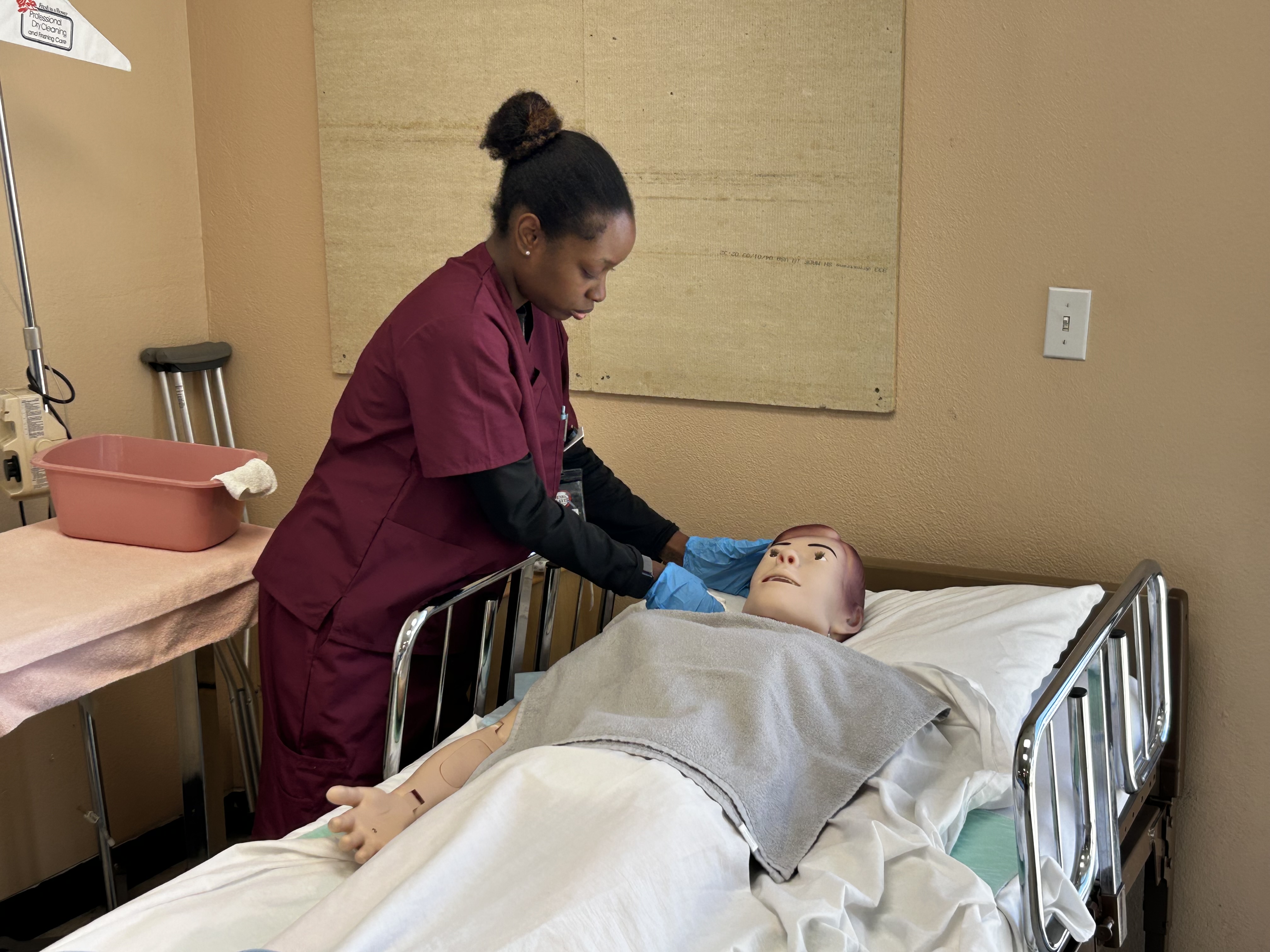
A Nurse Assistant’s work often includes helping patients with bathing, grooming, mobility, toileting, and safe transfers; monitoring and reporting observations like changes in comfort, appetite, or behavior; supporting infection control and safety practices; assisting with basic measurements like vital signs when trained and authorized; and documenting care according to facility procedures.
This role is people-facing and physically active. If you want a job where you’re not stuck behind a desk, and you like the idea of being part of a team that directly improves someone’s day, Nurse Assistant work is worth serious consideration.
Why Nurse Assistant Training Is a Smart First Step
There are two reasons Nurse Assistant training stays popular year after year: the work is needed everywhere, and the skills transfer. Many students start with Nurse Assistant training because it’s a practical entry point that builds credibility in healthcare quickly.
Nurse Assistant experience can also be a launchpad. Students often use it as a foundation to move into other roles over time—whether that’s continuing education in allied health, pursuing nursing pathways, or building specialized experience in certain care settings. Even if you’re not sure of your “forever” career yet, Nurse Assistant training can get you into the healthcare environment where you can learn what you truly enjoy.
Who Nurse Assistant Classes Are Best For
Nurse Assistant classes tend to fit a few common student profiles.
If you’re early-career and want a fast route into a stable field, Nurse Assistant training can be a strong move. If you’re switching careers and want a program that leads to a real job outcome, a focused Nurse Assistant training program is often more practical than a long, expensive detour. If you’re a parent or working adult, the right schedule can make training possible without sacrificing everything else. And if you’re already interested in nursing, this role can give you firsthand patient-care experience that helps you decide what direction to take next.
The best programs are designed for real life, not just ideal conditions.
What to Look for in a Nurse Assistant Training Program
Not all training experiences are equal. If you’re choosing a Nurse Assistant training program, focus on what actually affects your readiness and your employability.
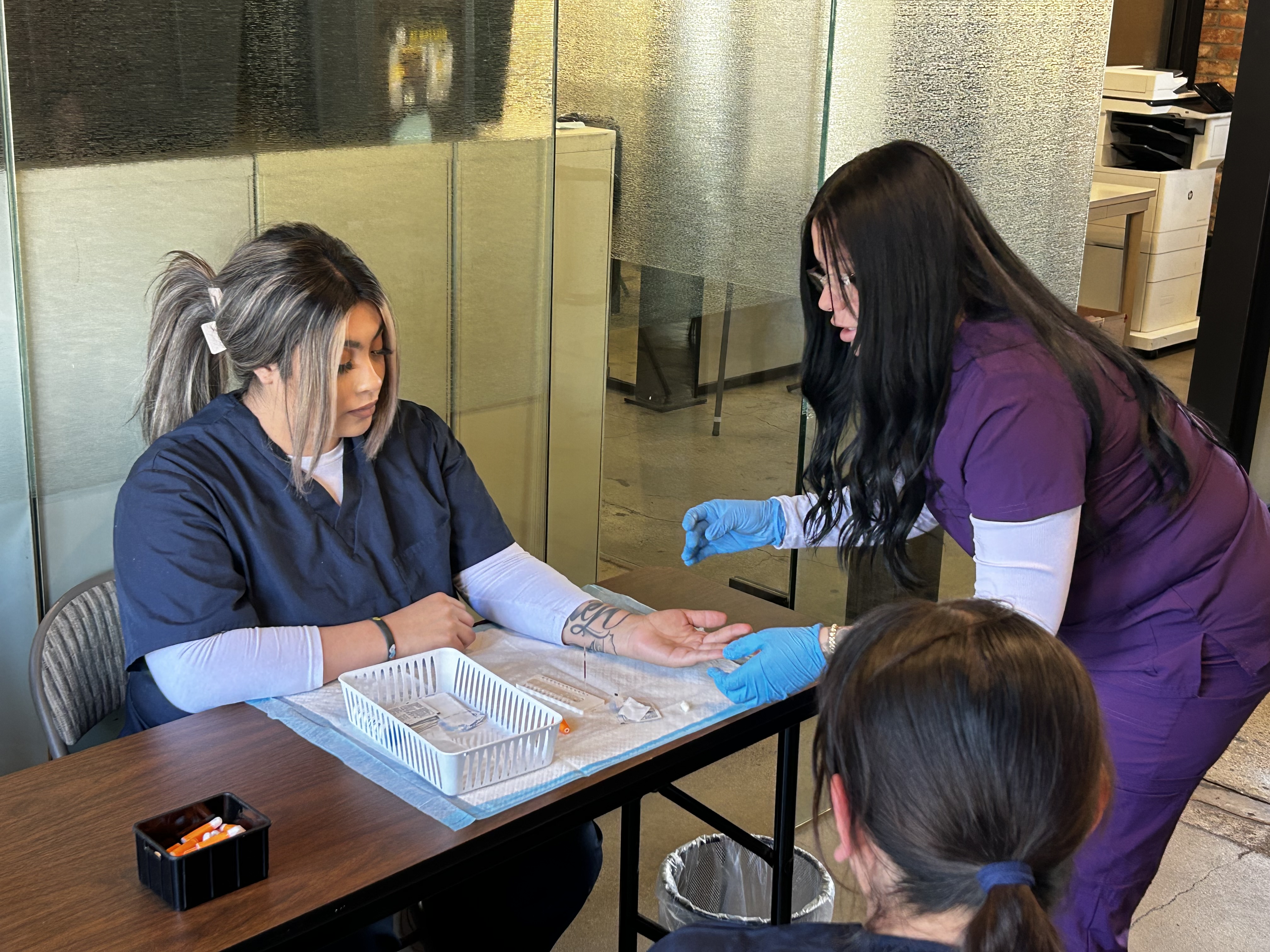
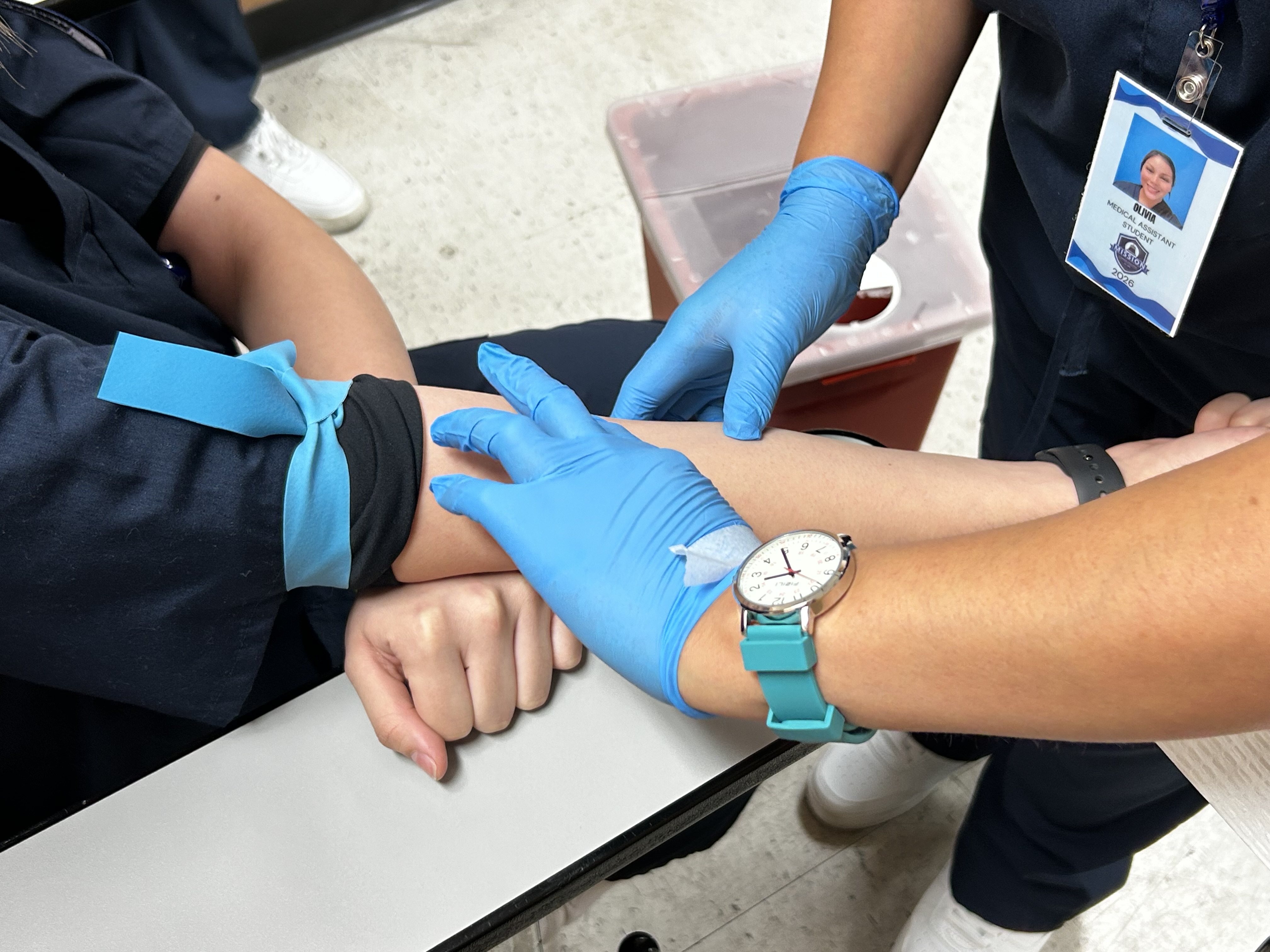
Start with the training style. Nurse Assistant work is hands-on, so the training should be hands-on too. You should expect instruction that includes real practice with patient-care skills, not just reading and multiple-choice testing.
Next, look for structure and clarity. A good program explains what you’ll learn, how you’ll be evaluated, and what support you’ll get when something is difficult. Healthcare training should be challenging in a healthy way, with clear expectations and coaching.
You should also evaluate professionalism. This includes instructor experience, safety and infection-control emphasis, and a culture that treats patients and students with respect. In a high-quality Nurse Assistant training program, integrity matters because patient safety matters.
Finally, ask about career preparation. Training is not only about passing a course; it’s about being ready to work. The strongest programs help you understand workplace expectations, communication, reliability, and what hiring managers actually care about.
In-Person vs. Nurse Assistant Classes Online: What’s Realistic?
A lot of prospective students search for Nurse Assistant classes online because online learning can reduce schedule pressure. That makes sense. But it’s also important to be realistic about the role.
Nurse Assistant training includes hands-on skills that are difficult to learn fully through a screen alone. In many cases, the most effective format is a hybrid approach: online coursework for theory and knowledge, paired with in-person practice for the physical skills and safety procedures.
If you’re considering Nurse Assistant programs online, ask one key question: how does the program verify competence in hands-on skills? A reputable program will have a clear method—often skills labs, in-person checkoffs, supervised practice, or a structured clinical component when applicable.
Online learning can be a great tool when used correctly. It can support flexibility, improve access, and help students review material at their own pace. The mistake is assuming “online” should mean “no hands-on.” In direct patient care, competence is demonstrated through performance, not just understanding.
So if your life needs flexibility, look for a model where online learning supports the schedule, but skill mastery is still built through structured practice.
What You’ll Learn in Nurse Assistant Classes
Most Nurse Assistant training focuses on three outcomes: safe care, effective communication, and professionalism.
Safe care includes body mechanics, infection control, patient privacy, and basic care procedures done consistently the right way. This is where you learn how to help without risking injury to yourself or the patient, and how to follow protocols that protect everyone.
Effective communication includes how to interact respectfully with patients, families, nurses, and supervisors. You learn how to report changes you observe, how to ask questions appropriately, and how to work within a team.
Professionalism includes punctuality, documentation habits, ethics, and reliability. Employers notice these things immediately. In healthcare, being dependable is not optional—it’s part of patient safety.
A strong Nurse Assistant training program doesn’t just teach tasks. It trains judgment, consistency, and the mindset required to work in real care environments.
How to Succeed in a Nurse Assistant Training Program
Success in Nurse Assistant training is less about being “naturally good” and more about building habits.
Consistency beats cramming. If you study a little each day and practice skills repeatedly, the material becomes automatic. This matters because on the job you won’t have time to “think through” every step from scratch.
Treat practice like it’s real. When you practice transfers, hand hygiene, or vital-sign procedures, act like a patient’s comfort and safety depend on it—because in real life, they do.
Ask questions early. If something is unclear, get clarity before it stacks into confusion. The best students aren’t the ones who never struggle; they’re the ones who communicate and improve fast.
Protect your energy. The program can be physically and emotionally demanding. Sleep, hydration, and basic self-care are part of the strategy—not extra credit.
Career Outcomes: What Happens After Training?
After completing Nurse Assistant classes, students typically pursue entry-level employment in care facilities where Nurse Assistants are essential. Hiring needs vary by region and setting, but the demand for patient support roles has remained consistently strong because healthcare systems rely on trained support staff.
What matters most after training is readiness: showing up professionally, communicating clearly, following safety standards, and being coachable. Employers want people they can trust. A solid training program and strong personal habits combine into that trust.
If you’re thinking long-term, Nurse Assistant experience can strengthen future applications for additional healthcare education. It gives you credible exposure to patient care, real clinical environments, and the daily realities of healthcare work.
Choosing the Right Format for Your Life
If you need the fastest path, prioritize a program with strong hands-on training and a clear structure. If you need flexibility, explore formats that include online coursework while still protecting skill mastery. If transportation is a barrier, ask about scheduling options that minimize unnecessary trips while still meeting hands-on requirements.
When people search Nurse Assistant programs online, they’re often really asking: “Can I make this work with my life?” The right answer is not a generic yes or no. It’s about matching your constraints to a training model that preserves quality and safety.
At MCC, the aim is to help students move from interest to competence in a way that’s realistic, organized, and aligned with what healthcare employers expect.
Common Questions Students Ask
One question is whether Nurse Assistant training is “hard.” It is demanding, but it’s designed to be learnable with effort and support. Students who take it seriously, practice consistently, and stay engaged usually do well.
Another question is whether online is “better.” Online can be better for scheduling and review, but hands-on training is non-negotiable for actual readiness. The best approach is whatever helps you learn thoroughly and perform safely.
Students also ask if this path is “worth it.” If you want a role with real purpose, fast entry into healthcare, and skills that transfer, Nurse Assistant training can be one of the highest-return education decisions you can make—especially if you choose a program that prioritizes quality and outcomes.
The Bottom Line
If you’re ready to enter healthcare without spending years in school, Nurse Assistant classes can be the right start. The best path is a Nurse Assistant training program that takes skill mastery seriously, prepares you for real workplace expectations, and offers a structure you can actually follow.
If you’re exploring flexibility, Nurse Assistant classes online and hybrid options can be a strong solution when they’re paired with hands-on skill verification. And if you’re comparing Nurse Assistant programs online, focus less on marketing claims and more on how the program proves competence, supports students, and builds professional readiness.